























What Are the Key Differences Between Static and Dynamic Equine Endoscopy Solutions?
Choosing the right diagnostic tool is vital for equine health. Respiratory issues often hinder a horse’s peak performance. Veterinary professionals rely on advanced equine endoscopy solutions to see inside. However, you must choose between two main methods. These are static endoscopy and dynamic (overground) endoscopy.
Each method offers unique insights into the horse’s airway. But which one fits your specific diagnostic needs? This guide breaks down the critical differences. We help you make an informed choice for your veterinary practice.
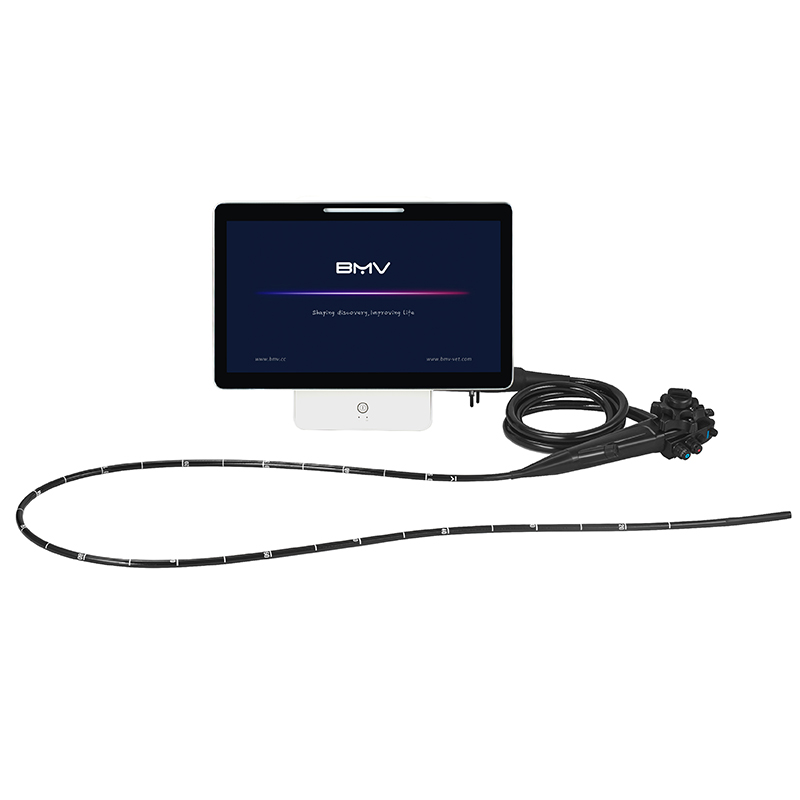
Understanding Static Equine Endoscopy
Static endoscopy is the traditional starting point for diagnostics. In this setup, the horse remains still. Usually, the vet sedates the horse lightly in a stocks.
How Static Solutions Work
The vet inserts a flexible fiberoptic tube through the nose. This allows a clear view of the upper respiratory tract. You can see the larynx, pharynx, and guttural pouches easily. It is excellent for identifying structural abnormalities or infections.
Primary Benefits of Static Scopes
- Ease of use: You can perform this in a clinic stall.
- High detail: It provides very stable, high-resolution images.
- Lower cost: Static equipment generally costs less than mobile units.
- Safety: It minimizes risks to both the vet and the horse.
Exploring Dynamic Equine Endoscopy Solutions
Sometimes, a horse looks perfect while standing still. Yet, they make strange noises while galloping or racing. This is where dynamic equine endoscopy solutions become essential.
The Evolution of Overground Scopes
Dynamic endoscopy happens while the horse is actually working. The vet attaches a specialized, lightweight scope to the bridle. A recording unit sits on the saddle or the rider’s back. This tech captures the airway during high-speed exercise.
Why Dynamic Testing Is Necessary
Many airway collapses only occur under extreme physical stress. Pressure changes during exercise alter the throat’s shape. A static exam cannot simulate these intense conditions. Therefore, dynamic scopes provide a “real-world” view of the performance.
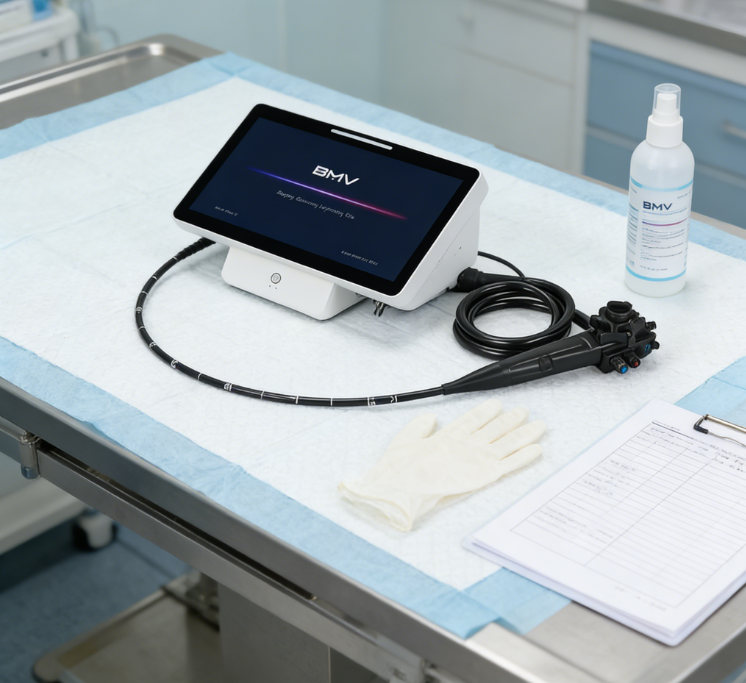
Side-by-Side Comparison
To help you decide, look at this direct comparison.
| Feature | Static Endoscopy | Dynamic (Overground) Endoscopy |
| Horse State | Resting or sedated | Exercising at full speed |
| Primary Goal | Check anatomy and infection | Check functional airway collapse |
| Environment | Controlled clinic setting | Track, arena, or treadmill |
| Portability | Fixed or cart-based | Highly mobile/wearable |
| Complexity | Low to Moderate | High (requires rider/driver) |
When to Choose Static Overground Solutions
Use static scopes for routine wellness checks. They are perfect for horses with a chronic cough. You can also use them to guide biopsies safely. If you suspect a permanent physical blockage, start here.
Most vets use static exams as a “screening” phase. It rules out obvious issues before moving to expensive dynamic tests.
When Dynamic Solutions Are Better
If a horse’s performance drops suddenly, go dynamic. “Roaring” sounds during exercise are a classic sign. Dynamic equine endoscopy solutions show exactly when a vocal cord fails.
It is also the gold standard for pre-purchase exams. Buyers want to know the horse can handle the heat of competition.
Integration in Modern Veterinary Practice
Today, the best clinics combine both technologies. They use a “stepped” approach to diagnostics. First, they conduct a static exam to check basic health. Next, they perform a dynamic test to confirm functional integrity.
Furthermore, digital connectivity has changed the game. Many modern equine endoscopy solutions now sync to the cloud. You can share videos with specialists instantly for a second opinion. This speed saves lives and improves recovery rates.
Common Long-Tail Questions
Is dynamic endoscopy safe for the rider?
Yes, modern units are very small and light. They do not interfere with the horse’s natural movement.
How long does a dynamic exam take?
The setup takes about 20 minutes. The actual exercise phase depends on the horse’s fitness levels.
Can static scopes detect “Roaring”?
A static scope might show a weak muscle. However, it cannot confirm how that muscle behaves at a gallop.
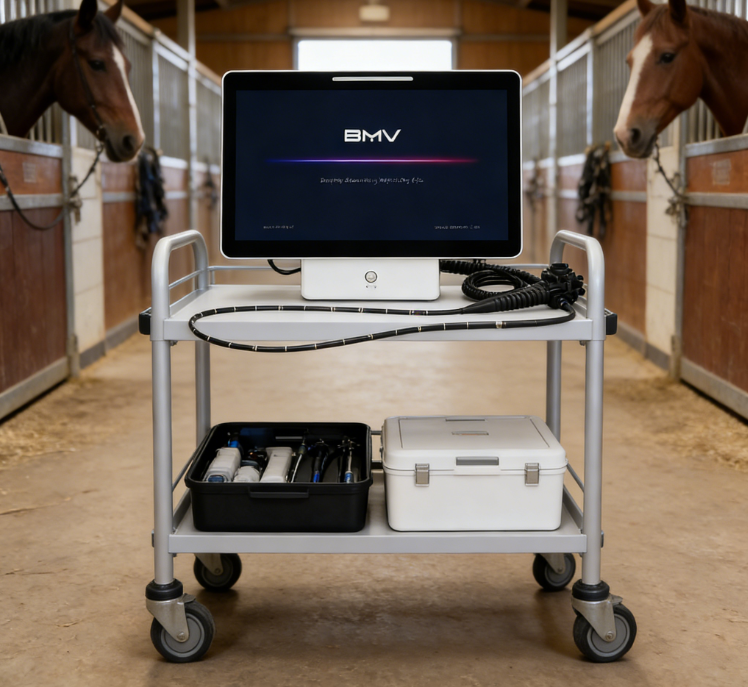
Picking Your Path
In summary, both tools are vital for equine medicine. Static endoscopy provides the “what,” while dynamic endoscopy provides the “when” and “how.”
If you want to offer comprehensive care, both are necessary. However, if you focus on elite sport horses, dynamic gear is your priority. Always consider your patient’s lifestyle before choosing your equine endoscopy.
By investing in the right tech, you ensure every horse reaches its full potential. You also provide peace of mind to owners and trainers alike.